‘Why Shouldn’t I?’
The vocation story of Sr Teresita Bernad SSC
By Anne B. Gubuan
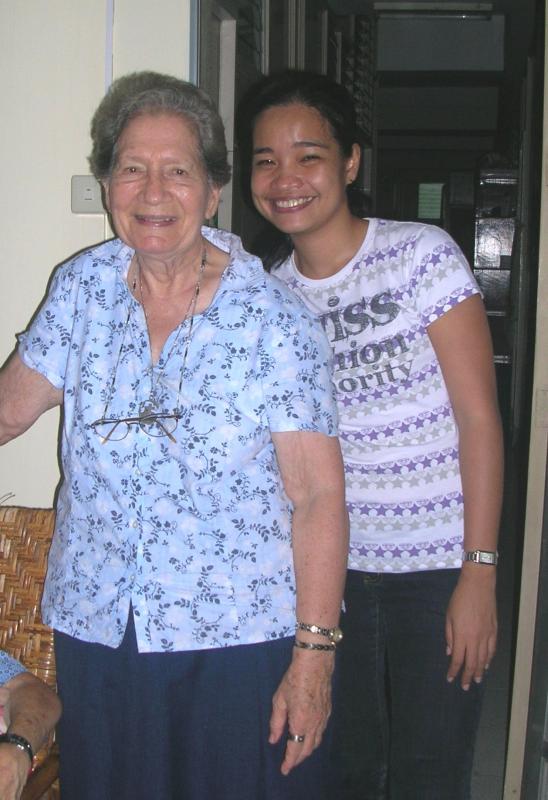 ‘I wish I could be praying what they pray.’ Sr Teresita was a young student when she first uttered these words to herself. Their house was just across from Immaculate Conception College (ICC, now La Salle University), Ozamiz City, run by the Columban Sisters in the 1950s. She would always watch the Sisters pacing back and forth saying their prayers. She even wrote a poem about these Sisters praying. I asked her, ‘How did you know you wanted to become a nun?’ She answered, ‘Longing for a vocation is a longing for God. The Lord calls us in several ways. There was just something inside, a kind of longing for the Lord that continued to persist’.
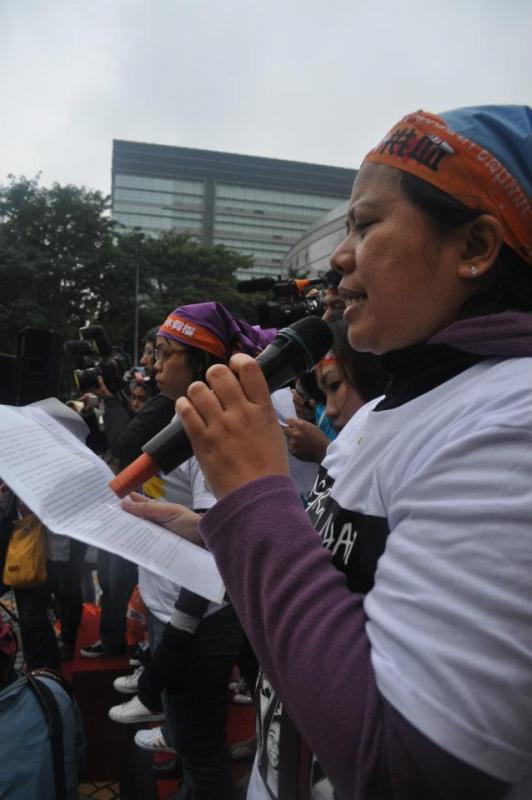 The author is from Pagadian City, Zamboanga del Sur, and before becoming a Columban Lay Missionary was Chief Nurse in J. Cabahug Hospital, Pagadian City. She has been in Taiwan since 2003 where she worked at the Hope Workers’ Center. Recently she was appointed Coordinator of the Lay Missionary Central Leadership Team and will be moving to Hong Kong.
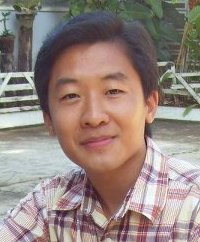 When I was baptized my godfather chose the name John in honor of St John the Baptist. I was born into a traditional Catholic family and brought up in Hebei Province, four hours by train southwest of Beijing. Our village was one-third Catholic. When I was young there was no television in our home so I asked my father to tell me Bible stories and that is where my faith journey began. As a primary school student, each Saturday I would play with my friends in our village but also made time for one hour’s adoration before the Blessed Sacrament in the local church. It was the custom in our village to have exposition of the Blessed Sacrament on Saturday afternoon and the Catholics would spend some time in prayer in the church. I feel that my personal relationship with God has its origin in those hours before the Blessed Sacrament.
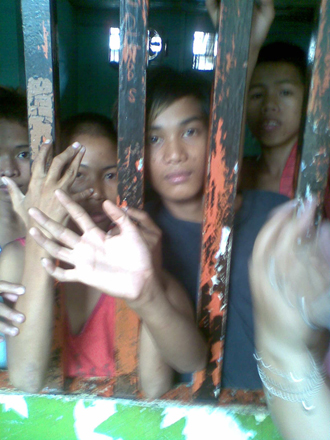 Maria dela Cruz, 15, and Lourdes Garcia, 16, (not their real names) were abducted one night near their homes and taken to a detention center near Manila City Hall because of ‘bagansa’, vagrancy, ie, being out during curfew. Instead of being taken home to their parents they were dumped into an already overcrowded, poorly ventilated detention center called ‘Reception and Action Center’ (RAC). Most children do not know what curfew is and anyhow they do not have watches or know how to observe the curfew hours. The plight of such children abducted from the streets was highlighted a couple of years ago in the local and international media. It is estimated that there are up to 20,000 children behind bars in the Philippines.
 The author is a young Subanen who works with
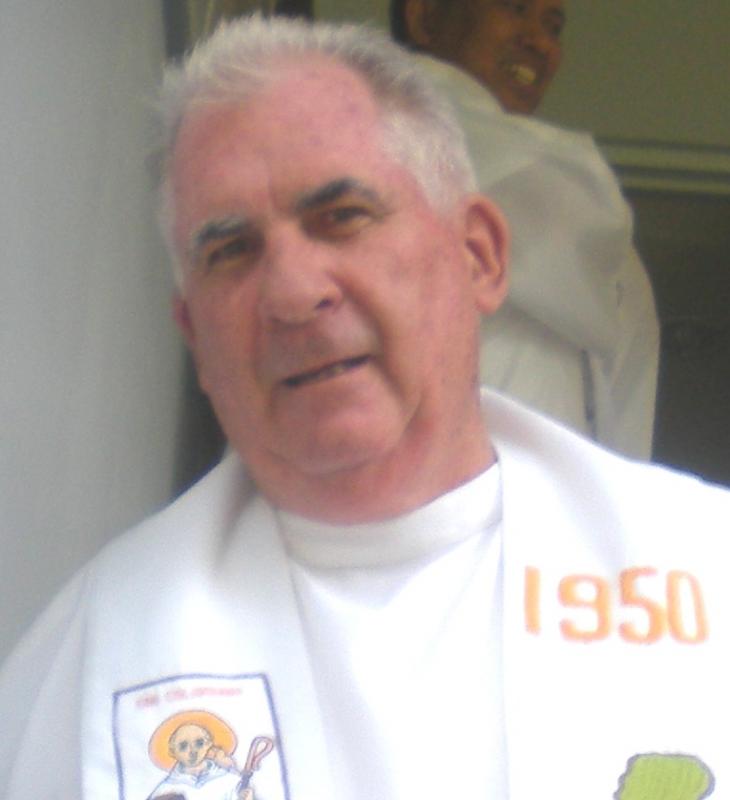 Fr Brian Gore, from Western Australia, was ordained in 1968 and then came to the Philippines, where he was assigned to the southern part of Negros Occidental, at that time in the Diocese of Bacolod but since 1987 the Diocese of Kabankalan, an area where the Columbans have worked since 1950.